This is a non-comprehensive list of books I have read and whether I recommend them. See my Now page for what I am currently reading.
- The recommendability score indicates how much I would recommend a book to the average person. This is not necessarily a measure of how much I liked it.
- The rating measures how much I liked the book.
The Code Book
- Rating
- ★ ★ ★ ★ ☆ 4/5
- Recommendability
-
4 out of 10 4/10
Notes
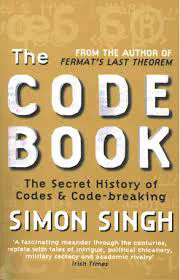
This poor book had to wait a long time on my shelf, and maybe even lost hope about getting read once more. But then I decided to do my bachelor thesis with our cryptography group, and I remembered that I have once bought a book about cryptography. So I dusted off ‘The Code Book’ by Simon Singh.
I am really fond of these kind of books. Books which tell you about the origin story of inventions and discoveries. Where you do not just get the polished textbook version, but also the actual messy process behind the discovery. ‘The Code Book’ delivers this ‘behind-the-scenes’ content for the obscure field of cryptography - and does it decently well in my opinion.
Simon Singh takes us through the ages and gives us some insight into the (cryptographic) problems and creative (or less creative) solutions of the time. Cryptography lends itself quite well for this kind of book because we have the classical arms-race type-of-situation. One time the cryptographers have the advantage, another time the cryptoanalysts have the advantage.
I was impressed how well and detailed Singh explained the ciphers up until the beginning of the 20th century. Especially the explanation of the Enigma machines was pretty illuminating for me. The only part which was not as rich as I would have wished is the part about public key cryptography, which drifted a bit into a philosophy lesson about privacy. Here, I would have preferred some more actual math behind it, but I also understand why Singh left it out.
In terms of the content there were a few surprises. I was aware of ceasar-ciphers and some derivations of it so I expected some background about them. But the book also features a whole chapter on translating lost languages, which was a surprisingly interesting addition. I never thought of applying cryptography to langauge translation but it makes of course completely sense. Also, despite its age (‘The Code Book’ was published around 2000), the book has an introduction to quantum cryptography (and cryptoanalysis) which was a pleasent surprise, especially because I have never touched this topic before and learned new, useful stuff.
I would recommend the book to people who are casually interested in cryptography or computer science in general (which are not too many people). It gives valuable context and is a fun read at times.
The Defining Decade
- Rating
- ★ ★ ★ ★ ☆ 4/5
- Recommendability
-
6 out of 10 6/10
Notes
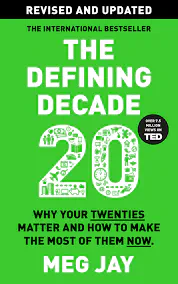
The Defining Decade by Meg Jay is exactly the type of popular self-help book I typically try to avoid. Nevertheless, I gave it a shot since I was at a crossroads in my personal life and in my twenties after all.
The book is structured into ‘work’, ’love’ and ’the brain and the body’. The work chapter contains no revolutionary information, but it was a nice reminder that most 20-somethings struggle with their early careers. The author talks the importance of weak connections when searching for a job (or any opportunity). She introduces the concept of identity capital - think relevant past work experiences, soft skills and connections - and argues that young people cannot build their identity capital while being underemployed (e.g. doing the dishes at McDonals). I agree and think it’s very important to be aware of this concept.
It felt like the love chapter was the main focus of Jay. One of my main take-aways was that young couples, and especially young women, should be aware of the fertitliy decline in the thirties and begin thinking early about family planning in a serious way - because if this discussion gets postponed too long it can easily be too late. Also Jay laid down the ‘cohabitation-effect’: the effect that couples which moved in together before marriage had higher break-up-rates than couples who did not. She explained this curious effect with the lack of intention which often comes with this casual moving-in-together. And once moved in together, the resistance of breaking up becomes so high that marrying each other is often the easiest path. Only months or years later one realizes that such a marriage never had happened in other cicumstances. I will definitely be aware of this effect in my personal life.
All in all this book was a good reality check for me in my mid-twenties. Luckily for me, it was less a slap in the face but a friendly reminder of the things that matter. For the target group, this book is an easy recommendation. Especially if one has not looked into any kind of self-improvement / self-help literature before. The advice is solid and the enternainment value is also there.
Rating: 4.0 Recommendability: 6.0
The Dip
- Rating
- ★ ★ ★ ☆ ☆ 3/5
- Recommendability
-
5 out of 10 5/10
Notes
The main topic of Seth Godin’s 2007 book is quitting. The author argues that quitting is generally not a bad thing and that knowing when to quit and when to stick is a very valuable skill - a skill he will teach us readers in this book.
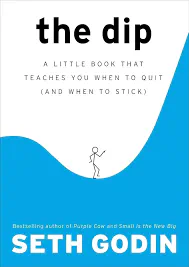
Core Concept: the Dip
If It Is Worth Doing, There’s Probably a Dip.
Godin’s view is that every worthwile endevour features a ‘dip’ - a period of time where the first rush of excitement is over and you put in effort after effort seemingly without any benefits. This is where you want to quit. Godins prescription here is easy: Never quit in the dip, go through it and you will be spoiled with the benefits of the other side. The dip acts like a natural filter, weeding out the people which are not serious. The other possiblity is: do not enter the dip at all - ‘quit’ before you even get there. If you quit within the dip, you have already expended too many resources.
Arguments
Godin presents essentially three key factors to evaluate before starting a new project:
- Identify the Pattern: Has this activity a dip with benefits at the end or is it a dead-end, which gulps up your efforts with no advantage for you in the end?
- Assess your Commitment: Do I want to cross the dip of this activity and I am capable of doing so? Remember that a bigger dip generally leads to better rewards.
- Aim for Excellence Do I have the capability to be the best there is for the chosen project? It is hard work to go through the dip. If you decide on doing so, you might as well be the best in the world for this specific activity and earn unproportional benefits. He cites the law of pareto, where top performers reap disproportionate benefits.
Strengths
I agree with the general advice of the book. It is important to be mindful when choosing a new project. Thinking about the three bullet points stated above is definitely a good starting point. And when one has chosen a project, having the dip in mind will definitely help with persevering when times get tough.
Limitations
Only do the things you’re going to be the best in the world at. If you won’t be the best in the world at them - quit right now (if you’ve already started) or don’t start (if you haven’t yet).
I do not entirely agree with his view on starting something only when it is realistic to become the best in the world at it. I think this advice holds well in a professional setting. However, Godin does not make this distinction. He keeps the book very general, which holds it back in my opinion. If he had narrowed the audiance down to business-owners and ambitous professionals the concept would work better. For private individuals, there are just too many reasons to take up a hobby: fun, wellness, charity, networking, bonding, mental-health etc. Also, sometimes you cannot know in advance if it is possible to become ’the best in the world’. He has this snowboarding example:
The mature thing is not even to bother starting to snowboard because you’re probably not going to make it through the Dip. And the stupid thing to do is to start, give it your best shot, waste a lot of time and money, and quit right in the middle of the Dip.
But how do you know in advance that snowboarding is not for you? I agree that sometimes you can kind of tell it. But otherwise, I prefer just trying stuff and see what sticks.
Alternatives and Verdict
I rate this book at a 3/5. I liked the shortness and the general advice. However, the examples were mostly weak and I think it would have been better as a business book. Also, despite the shortness, it felt repetetive at places.
For readers interested in similar concepts I think the books Essentialism and The 80/20 Principle explore very similar themes with greater depth.
Rating: 3/5
Recommendability: 5/10
The Martian
- Rating
- ★ ★ ★ ★ ☆ 4.5/5
- Recommendability
-
7 out of 10 7/10
Notes
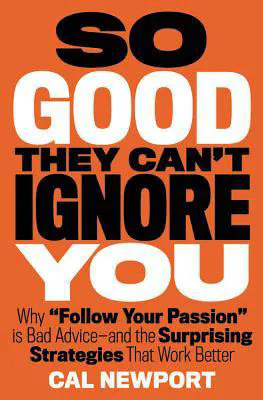
So Good They Can't Ignore You
- Rating
- Not rated
- Recommendability
-
5 out of 10 5/10

The Shadow of Kyoshi
- Rating
- Not rated
- Recommendability
-
5 out of 10 5/10

The Rise of Kyoshi
- Rating
- Not rated
- Recommendability
-
5 out of 10 5/10

The Legacy of Yangchen
- Rating
- Not rated
- Recommendability
-
5 out of 10 5/10

The Dawn of Yangchen
- Rating
- Not rated
- Recommendability
-
5 out of 10 5/10
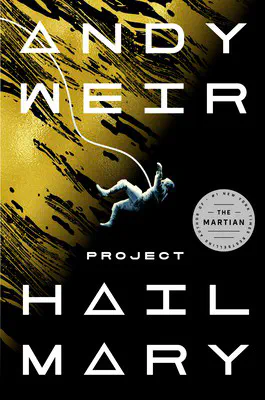
Project Hail Mary
- Rating
- ★ ★ ★ ★ ★ 5/5
- Recommendability
-
7 out of 10 7/10
Notes
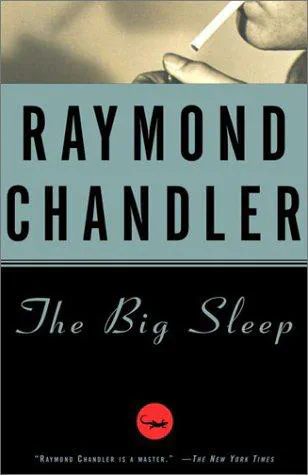
The Big Sleep
- Rating
- Not rated
- Recommendability
-
5 out of 10 5/10
The Forgotten Highlander
- Rating
- Not rated
- Recommendability
-
5 out of 10 5/10
Four Thousand Weeks
- Rating
- ★ ★ ★ ★ ★ 5/5
- Recommendability
-
5 out of 10 5/10
Skin in the Game
- Rating
- Not rated
- Recommendability
-
5 out of 10 5/10
Fooled by Randomness
- Rating
- Not rated
- Recommendability
-
5 out of 10 5/10
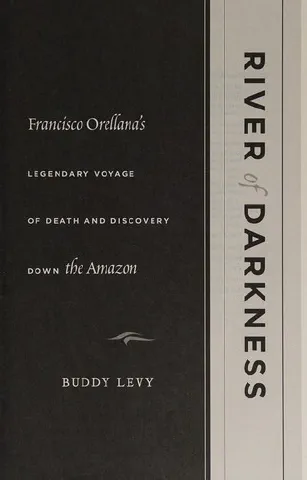
River of Darkness
- Rating
- ★ ★ ★ ★ ★ 5/5
- Recommendability
-
8 out of 10 8/10
Notes
Uhh another sleeper. I bet most people have never heard of Buddy Levy’s ‘River of Darkness’, which is a shame because this is one of the most fascinating reads ever for me. It’s about the (mostly ?) true journey of Franciso de Orellana - a spanish conquistador - who is probably the first human being to sail the full length of the Amazon. His journey began with the typical quest to conquer and claim: I think his mission initially set out to gather the valued cinnamon-tree. However, the conditions can be cruel in the 1500s Ecuador and his mission soon turned in a quest to survive, stranded in the depths of the jungle. The few which were left built ships to sail to the ocean. Needless to say, they estimated the size 6'400km long river much, much shorter than it really is. On their way, they hit (understatement of the year) a number of obstacles, the biggest of which were indigenous people (!). This is very, very notable, since the amazon is believed to be mostly uninhabited in these times. Orellana and his priest however, describe advanced communites of thousends and maybe hundred thousends of people living in the forest. Makes you think, you know…
You will love it if:
- you love a good adventure story
- and/or you love a good survival story
- and/or you are interested in controversial takes on history/archeology
Ender's Game
- Rating
- ★ ★ ★ ★ ☆ 4/5
- Recommendability
-
5 out of 10 5/10
Dune
- Rating
- ★ ★ ★ ★ ★ 5/5
- Recommendability
-
5 out of 10 5/10
The Millionaire Fast Lane
- Rating
- Not rated
- Recommendability
-
5 out of 10 5/10
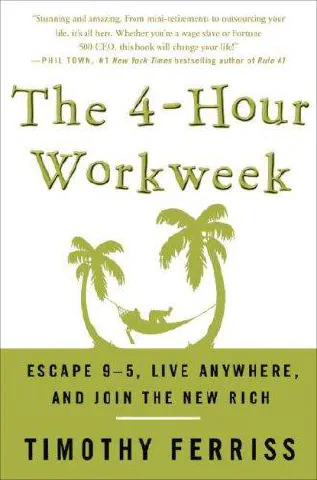
The 4-Hour Workweek
- Rating
- Not rated
- Recommendability
-
5 out of 10 5/10
Deep Work
- Rating
- ★ ★ ★ ☆ ☆ 3/5
- Recommendability
-
6 out of 10 6/10
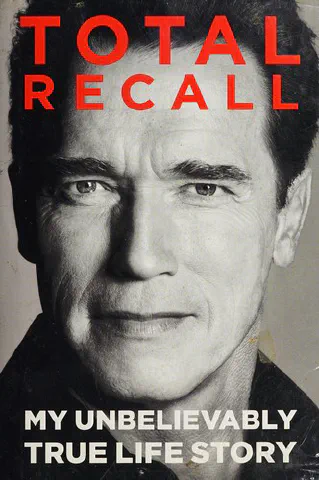
Total Recall
- Rating
- Not rated
- Recommendability
-
5 out of 10 5/10
The Lion Tracker's Guide To Life
- Rating
- Not rated
- Recommendability
-
5 out of 10 5/10
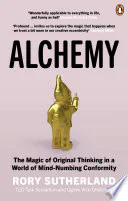
Alchemy
- Rating
- ★ ★ ★ ★ ★ 5/5
- Recommendability
-
9 out of 10 9/10
Notes
Rory Sutherland is always a treat to listen to on podcasts - such a creative mind. His book ‘Alchemy’ does not disappoint either: A very entertaining and thought provoking read essentially about the shortcomings of the rationalist mindset and the underappreciation of the creative approach.
Here are my notes about the book from 2023:
Psycho-Logic and Reasoning
This book argues that reasoning is often overrated and that we should rather solve problems in the psycho-logical way.
Psycho-logic
What is logic? Logic is the science of rational thinking, the science of deduction. One theorem can be logically deduced by another. Humans are inherently bad at classical logic. Why? Because the logical conclusion is only rarely the most useful evolutionarily speaking. Maybe it is not rational to be pathologically afraid of heights or the deep sea or public speaking, but it makes sure you survive longer than that fellow who has no (irrational) fears.
Moreover it can pay of to be illogical. A human which acts perfectly logical is also perfectly predictable. “If you are wholly predictable, people learn to hack you.”
Psycho-logic makes use of those inbuilt irrationalities and acknowledges the fact that you can change problems in several ways and seldomly is the logical solution the best solution. You can make the train physically faster or you can make the train feel faster.
Mathematics, Schmathematics
Sutherland talks also a lot about mathematics and the fact that bad mathematics is used a lot to fool people who are not very skilled in mathematics. People in their minds equal mathematicss with rationality. Pseudo logical derivations are hard to disprove for the average human, especially when they are not trained in mathematics.
He also points out some interesting differences between laws in math and in the real world:
In maths, 10 x 1 is always the same as 1 x 10, but in real life, it rarely is.
You can trick ten people once, but it’s much harder to trick one person ten times. (…) If you were only allowed to eat one food, you might choose the potato. Barring a few vitamins and trace minerals, it contains all the essential amino acids you need to build proteins, repair cells and fight diseases – eating just five a day would support you for weeks. However, if you were told you could only eat ten foods for the rest of your life, you would not choose ten different types of potato. In fact, you may not choose potatoes at all – you would probably choose something more varied.
In the spirit of the above quote, he points out that there is a major difference between hiring ten times one person and hiring ten people at once. If the HR-Person only gets to pick one person, she will have her own performance-meeting in mind and choose in some ways the most boring person of the bunch. Why? Because nobody gets fired because she hired a well qualified academic with no former hiccups, however she would have had to explain herself if she took a shot with some newcomer or silly person. Contrast this with the situation of hiring 10 at once. Now the HR-Lady could assemble a complementary group, with some risky hires. Of ten people hired, if three don’t make it is still a success-quote of 70%, which is a reasonable show in the performance-meeting next quarter.
Complementary talent is far more valuable than conformist talent.
Further, Sutherland points out that often what gets measured in numbers is optimized for. However, this is not always all that counts.
In making decisions, we should at times be wary of paying too much attention to numerical metrics. When buying a house, numbers (such as number of rooms, floor space or journey time to work) are easy to compare, and tend to monopolise our attention. Architectural quality does not have a numerical score, and tends to sink lower in our priorities as a result, but there is no reason to assume that something is more important just because it is numerically expressible.
The following quote should be the first someone tells you at the math-university lectures:
‘There are two key steps that a mathematician uses. He uses intuition to guess the right problem and the right solution and then logic to prove it.’ We have conflated the second part of this process with the first.
Biology
biologists call ‘costly signalling theory’, the fact that the meaning and significance attached to a something is in direct proportion to the expense with which it is communicated.
And if you think about it, a flower is simply a weed with an advertising budget.
might sexual selection provide the ’early stage funding’ for nature’s best experiments? For example, might the sexual signalling advantages of displaying an increasing amount of plumage on a bird’s sides have made it possible for them to fly?
Remember that without distinctiveness, mutualism of the kind found in bees and flowers cannot work, because an improvement in a flower’s product quality would not result in a corresponding increase in the bees’ loyalty. Without identity and the resulting differentiation, a breed of flower would give away extra nectar for no gain, as the next time, the bees would simply visit the less-generous-but-identical-looking flower next to it.
The Soviets soon found that, without a maker’s name attached to a product, no one had any incentive to make a quality product, which pushed quantity upwards and quality downwards. The easiest way to produce a million rivets every month was to produce a million bad rivets, which soon led to ships falling apart.
Placebo
It seems likely that a significant part of what you’re doing when you spend two hours on self-grooming is self-administering a confidence placebo to produce emotions that you can’t generate through a conscious act of will.
‘It says here that you should under no circumstances take this medicine for more than four consecutive nights,’ she said nervously. Immediately I felt the placebo effect doubling its power. The fact that it should not be taken in large amounts is proof of its potency.
Other Quotes
‘The heart has reasons of which reason knows nothing,’ as Pascal put it.
When a hare is being chased, it zigzags in a random pattern in an attempt to shake off the pursuer. This technique will be more reliable if it is genuinely random and not conscious, as it is better for the hare to have no foreknowledge of where it is going to jump next: if it knew where it was going to jump next, its posture might reveal clues to its pursuer.
My friend and mentor Jeremy Bullmore recalls a heated debate in the 1960s at the ad agency J. Walter Thompson about the reasons why people bought electric drills. ‘Well obviously you need to make a hole in something, to put up some shelves or something, and so you go out and buy a drill to perform the job,’ someone said, sensibly. Llewelyn Thomas, the copywriter son of the poet Dylan, was having none of this. ‘I don’t think it works like that at all. You see an electric drill in a shop and decide you want it. Then you take it home and wander around your house looking for excuses to drill holes in things.’ This discussion perfectly captures the divide between those who believe in rational explanation and those who believe in unconscious motivation; between logic and psycho-logic.
Life of Pi
- Rating
- ★ ★ ★ ★ ★ 5/5
- Recommendability
-
5 out of 10 5/10
Antifragile
- Rating
- ★ ★ ★ ★ ★ 5/5
- Recommendability
-
9 out of 10 9/10
Notes

Permanent Record
- Rating
- ★ ★ ★ ★ ☆ 4/5
- Recommendability
-
5 out of 10 5/10
Endure
- Rating
- ★ ★ ★ ★ ☆ 4/5
- Recommendability
-
5 out of 10 5/10
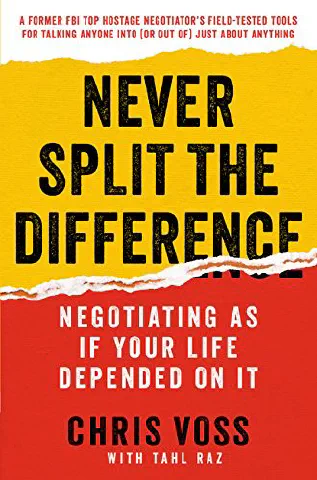
Never Split the Difference
- Rating
- ★ ★ ★ ★ ☆ 4/5
- Recommendability
-
5 out of 10 5/10
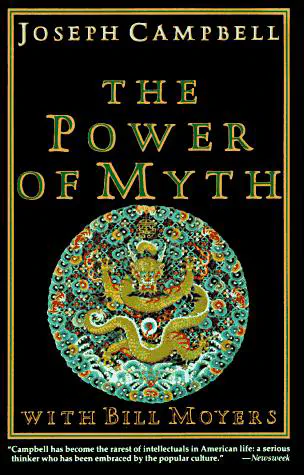
The Power of Myth
- Rating
- Not rated
- Recommendability
-
5 out of 10 5/10
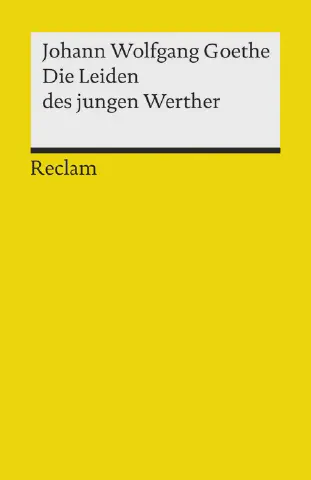
The Sorrows of Young Werther
- Rating
- ★ ★ ★ ★ ☆ 4/5
- Recommendability
-
5 out of 10 5/10
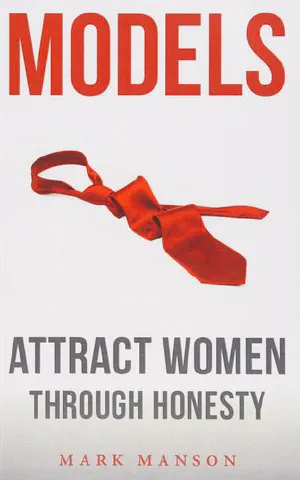
Models
- Rating
- ★ ★ ★ ★ ★ 5/5
- Recommendability
-
5 out of 10 5/10
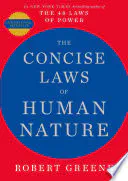
Concise Laws Of Human Nature
- Rating
- ★ ★ ★ ☆ ☆ 3/5
- Recommendability
-
5 out of 10 5/10
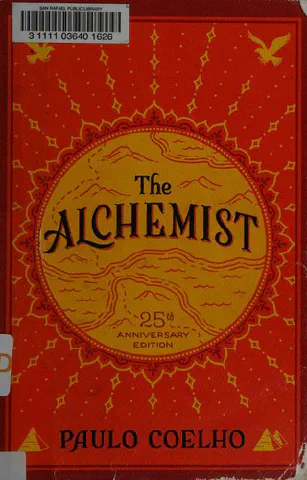
The Alchemist
- Rating
- ★ ★ ★ ★ ★ 5/5
- Recommendability
-
5 out of 10 5/10
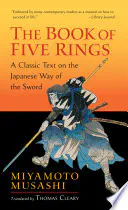
The Book of Five Rings
- Rating
- Not rated
- Recommendability
-
5 out of 10 5/10

The Count of Monte Cristo
- Rating
- ★ ★ ★ ★ ★ 5/5
- Recommendability
-
5 out of 10 5/10

Can't Hurt Me
- Rating
- ★ ★ ★ ★ ☆ 4/5
- Recommendability
-
7 out of 10 7/10
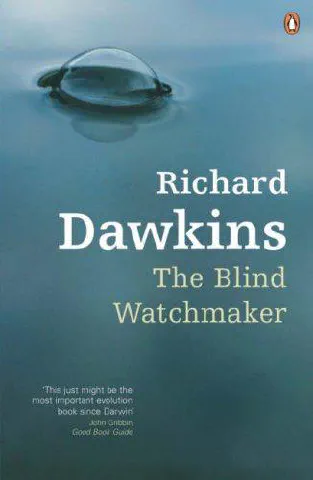
The Blind Watchmaker
- Rating
- ★ ★ ★ ★ ☆ 4/5
- Recommendability
-
5 out of 10 5/10

Siddhartha
- Rating
- ★ ★ ★ ★ ★ 5/5
- Recommendability
-
5 out of 10 5/10

Shoe Dog
- Rating
- ★ ★ ★ ★ ★ 5/5
- Recommendability
-
5 out of 10 5/10
On the Shortness of Life
- Rating
- ★ ★ ★ ★ ☆ 4/5
- Recommendability
-
5 out of 10 5/10
Meditations
- Rating
- ★ ★ ★ ★ ☆ 4/5
- Recommendability
-
5 out of 10 5/10
Man's Search for Meaning
- Rating
- ★ ★ ★ ★ ★ 5/5
- Recommendability
-
5 out of 10 5/10

Leere Herzen
- Rating
- ★ ★ ★ ☆ ☆ 3/5
- Recommendability
-
5 out of 10 5/10
If Beale Street Could Talk
- Rating
- ★ ★ ★ ☆ ☆ 3/5
- Recommendability
-
5 out of 10 5/10

Herr Katō spielt Familie
- Rating
- ★ ★ ★ ★ ☆ 4/5
- Recommendability
-
5 out of 10 5/10
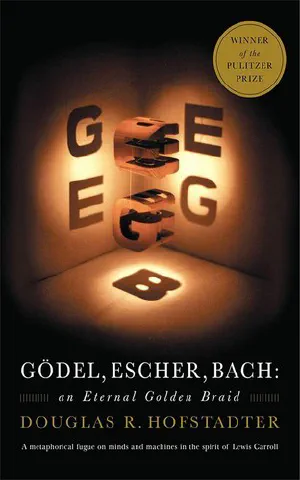
Gödel, Escher, Bach
- Rating
- ★ ★ ★ ★ ★ 5/5
- Recommendability
-
5 out of 10 5/10

Frankenstein
- Rating
- ★ ★ ★ ★ ☆ 4/5
- Recommendability
-
5 out of 10 5/10

Die Räuber
- Rating
- ★ ★ ★ ★ ☆ 4/5
- Recommendability
-
5 out of 10 5/10
Death of a Salesman
- Rating
- ★ ★ ★ ☆ ☆ 3/5
- Recommendability
-
6 out of 10 6/10
Into Thin Air
- Rating
- ★ ★ ★ ★ ☆ 4/5
- Recommendability
-
5 out of 10 5/10
A Study in Scarlet
- Rating
- ★ ★ ★ ★ ☆ 4/5
- Recommendability
-
5 out of 10 5/10
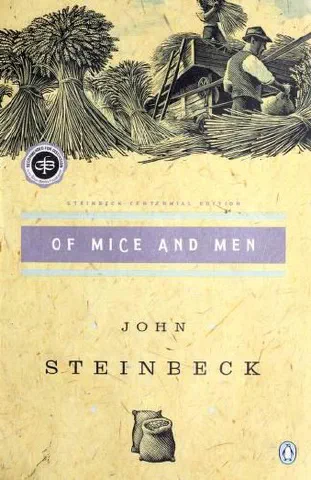
Of Mice and Men
- Rating
- ★ ★ ★ ★ ★ 5/5
- Recommendability
-
5 out of 10 5/10
The Way of the Superior Man
- Rating
- ★ ★ ★ ☆ ☆ 3/5
- Recommendability
-
5 out of 10 5/10
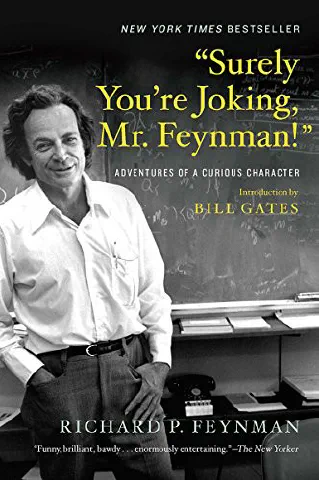
Surely You're Joking, Mr. Feynman!
- Rating
- ★ ★ ★ ★ ★ 5/5
- Recommendability
-
5 out of 10 5/10
When Breath Becomes Air
- Rating
- ★ ★ ★ ★ ★ 5/5
- Recommendability
-
5 out of 10 5/10

Brave New World
- Rating
- ★ ★ ★ ★ ☆ 4/5
- Recommendability
-
9 out of 10 9/10
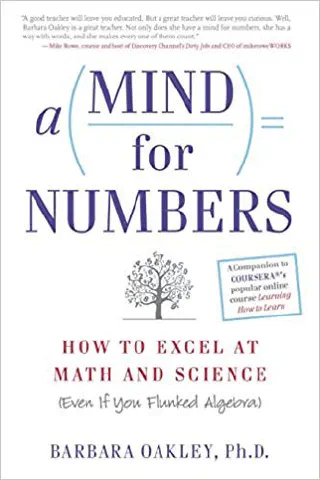
A Mind for Numbers
- Rating
- ★ ★ ★ ★ ☆ 4/5
- Recommendability
-
6 out of 10 6/10
Notes
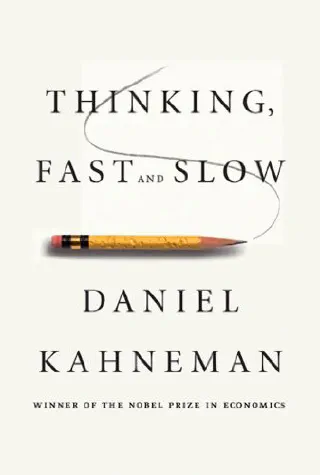
Thinking, Fast and Slow
- Rating
- ★ ★ ★ ★ ★ 5/5
- Recommendability
-
5 out of 10 5/10

Scherbenpark
- Rating
- ★ ★ ★ ☆ ☆ 3/5
- Recommendability
-
5 out of 10 5/10
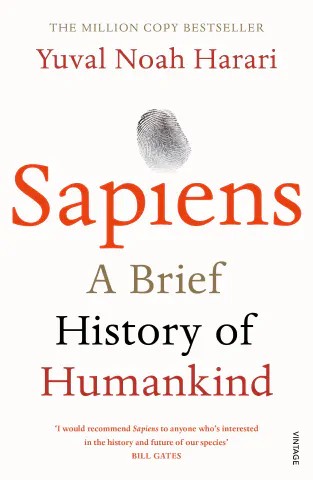
Sapiens
- Rating
- ★ ★ ★ ★ ★ 5/5
- Recommendability
-
5 out of 10 5/10

Jakob der Lügner
- Rating
- ★ ★ ★ ★ ☆ 4/5
- Recommendability
-
5 out of 10 5/10
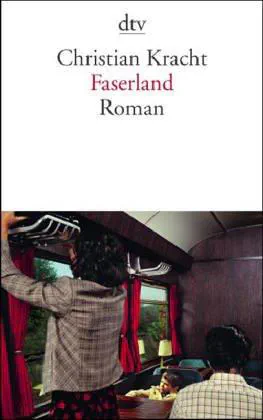
Faserland
- Rating
- ★ ★ ★ ☆ ☆ 3/5
- Recommendability
-
5 out of 10 5/10
Die Physiker
- Rating
- ★ ★ ★ ★ ★ 5/5
- Recommendability
-
5 out of 10 5/10
Der Sandmann
- Rating
- ★ ★ ★ ★ ☆ 4/5
- Recommendability
-
5 out of 10 5/10
Animal Farm
- Rating
- ★ ★ ★ ★ ☆ 4/5
- Recommendability
-
8 out of 10 8/10
Notes

A Doll's House
- Rating
- ★ ★ ★ ☆ ☆ 3/5
- Recommendability
-
5 out of 10 5/10
Notes

1984
- Rating
- ★ ★ ★ ★ ★ 5/5
- Recommendability
-
10 out of 10 10/10
Notes
The Definitive Book of Body Language
- Rating
- ★ ★ ★ ★ ☆ 4/5
- Recommendability
-
5 out of 10 5/10
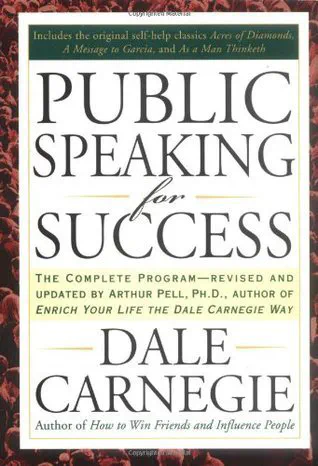
Public Speaking for Success
- Rating
- ★ ★ ★ ★ ★ 5/5
- Recommendability
-
9 out of 10 9/10
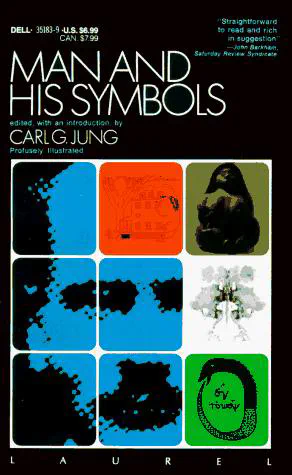
Man and His Symbols
- Rating
- ★ ★ ★ ★ ☆ 4/5
- Recommendability
-
5 out of 10 5/10
Kleider machen Leute
- Rating
- ★ ★ ★ ★ ☆ 4/5
- Recommendability
-
5 out of 10 5/10
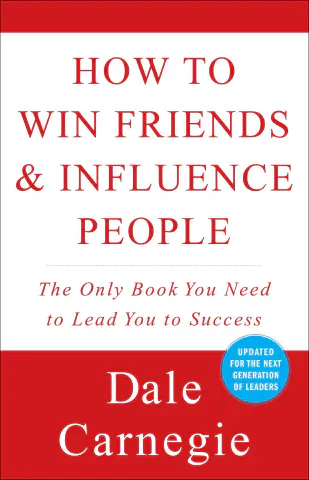
How to Win Friends & Influence People
- Rating
- ★ ★ ★ ★ ★ 5/5
- Recommendability
-
5 out of 10 5/10
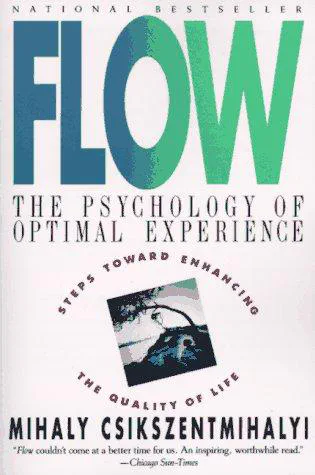
Flow
- Rating
- ★ ★ ★ ★ ★ 5/5
- Recommendability
-
5 out of 10 5/10
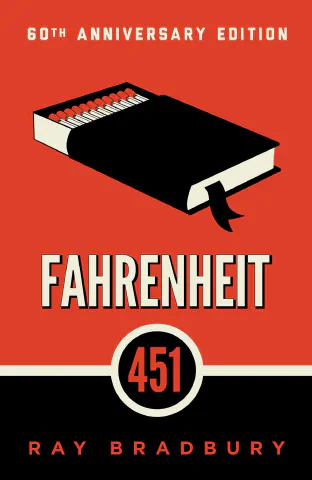
Fahrenheit 451
- Rating
- ★ ★ ★ ★ ☆ 4/5
- Recommendability
-
5 out of 10 5/10

Don Quixote
- Rating
- ★ ★ ★ ★ ☆ 4/5
- Recommendability
-
5 out of 10 5/10
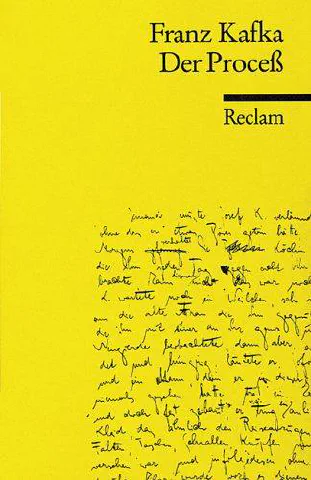
Der Proceß
- Rating
- ★ ★ ★ ★ ☆ 4/5
- Recommendability
-
5 out of 10 5/10

Der Doppelgänger
- Rating
- ★ ★ ★ ★ ☆ 4/5
- Recommendability
-
5 out of 10 5/10
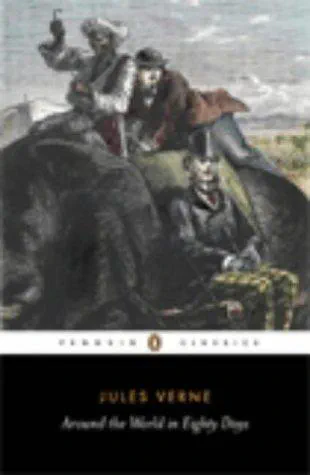
Around the World in Eighty Days
- Rating
- ★ ★ ★ ★ ☆ 4/5
- Recommendability
-
5 out of 10 5/10